Failing Dental Implant Treatment - Rock Springs, WY
Experience Innovative Laser Treatment for Implant Infections
Request an AppointmentSave Your Failing Dental Implants with LAPIP™ in Rock Springs, WY
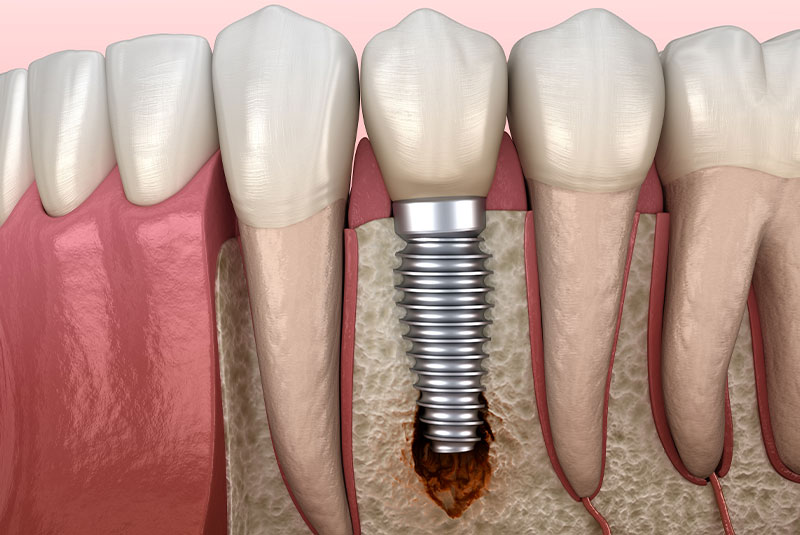
While remarkably successful, dental implants, although rare, can experience complications or even fail. Factors like poor oral hygiene, smoking, or certain health conditions can contribute to an infection known as peri-implantitis, where the tissues and bone supporting the implant become inflamed and compromised.
If you’re experiencing dental implant failures in Rock Springs, WY, due to peri-implantitis, our team at Wyoming Implants & Surgical Arts, can help with LAPIP!
What Can Cause a Dental Implant to Fail?
- Poor oral hygiene
- Peri-implantitis
- Systemic health conditions like autoimmune disorders or diabetes
- Insufficient bone density/volume
- Smoking/tobacco use
- Bruxism
- Nerve damage
LAPIP Laser Treatment vs. Implant Removal
LAPIP Treatment
- Saves your existing implant by targeting and removing the infection without removal
- Stimulates natural bone regeneration to strengthen and stabilize the implant
- Minimally invasive: no cutting or stitches, less pain and bleeding
- Shorter healing time and fewer appointments, saving both time and money
Removal of Implant
- Requires taking the implant out completely, leaving a gap that needs future replacement
- Often involves bone grafting and additional surgery to rebuild lost support
- More invasive, with greater discomfort, bleeding, and longer recovery time
- Higher overall cost and extended treatment timeline before a new tooth can be placed
| Feature | LAPIP Treatment | Implant Removal |
|---|---|---|
| Preserves Implant | Yes | No |
| Minimally Invasive | Yes | No |
| Fast Recovery | Yes | No |
| Lower Cost | Yes | No |
| Bone Regeneration | Yes | May Need Grafting |
| Treatment Time | Shorter | Extended |
Why Choose LAPIP Treatment In Rock Springs, WY?
- Minimally invasive
- Faster recovery time
- Reduced pain and swelling
- Preserves healthy tissue
- High success rates
- Promotes bone regeneration
What to Expect from the LAPIP Process
Evaluation & Diagnosis
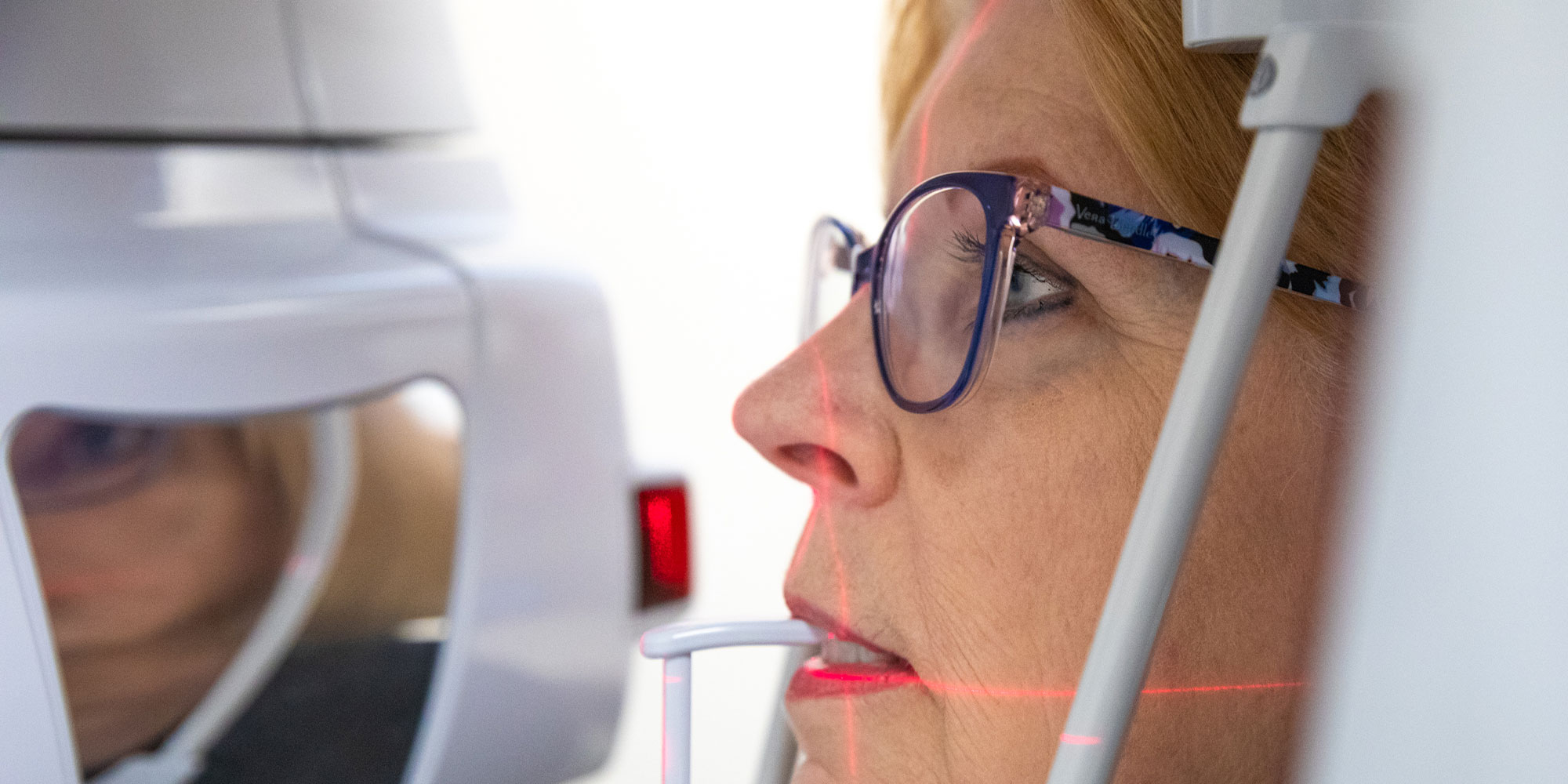
The LAPIP process begins with thoroughly evaluating your failing dental implant, using advanced imaging like X-rays or 3D scans to assess bone loss and infection.
Dr. Shaziya Haque carefully reviews your oral health, medical history, and the condition of the implant to determine if LAPIP is the right solution.
Laser Fiber Placement
During the initial phase of the LAPIP process, a specialized laser fiber, about the thickness of a human hair, is inserted into the infected pocket between the gum tissue and the failing dental implant.
This precise insertion enables the laser to directly access and address the infection and severely damaged tissue within the periodontal pocket. By targeting these areas effectively, the laser promotes the removal of harmful bacteria and diseased cells, ultimately facilitating the healing process and improving the overall health of the surrounding gum tissue.
Bacterial & Tissue Removal
Following the placement of the laser fiber, the PerioLase MVP-7 laser emits pulses of light energy absorbed by dark-pigmented bacteria and inflamed tissue, effectively vaporizing them.
This highly precise action allows for the thorough elimination of harmful pathogens and necrotic tissue from around the failing implant without affecting the healthy bone or implant surface.
Implant Surface Decontamination
After the initial laser removes diseased tissue, the laser is used to thoroughly cleanse the exposed implant surface, which is often contaminated with bacteria and inflammatory byproducts.
This laser energy effectively vaporizes bacterial toxins and cleanses the titanium surface without causing damage, preparing it for reattachment of healthy tissue and potential bone regeneration.
Laser Reapplication for Clot Formation
After the initial removal of infected tissue and bacteria, the laser is carefully reapplied to the treated area in a different setting. This reapplication stimulates the formation of a stable fibrin clot at the surgical site.
This clot acts as a natural biological band-aid, sealing the cleaned area and creating an optimal environment for healing and new tissue attachment. The precise laser-induced clot is vital as it protects the healing area and is essential for the regeneration of bone and tissue around the implant.
Tissue Compression & Healing
Following the laser decontamination, Dr. Haque compresses the gum tissue against the cleaned implant surface. This intentional compression helps to stabilize the soft tissues, effectively reducing the depth of the treated pocket.
This creates an optimal environment for natural healing, encouraging the reattachment of the gum to the implant and initiating the crucial process of bone regeneration around the affected area. The goal is establishing a stable, healthy environment for long-term implant success.
Follow-Up & Regeneration
Following the laser treatment, there is a healing and regeneration phase, where your body’s natural restorative abilities are encouraged. Over the following weeks and months, the treated area undergoes significant regeneration, with the potential for new bone and connective tissue to form and stabilize the implant.
Regular follow-up appointments with Dr. Haque are important during this period to monitor the healing progress, ensure optimal oral hygiene, and provide any necessary supportive care to maximize the long-term success of the salvaged implant.